
About the Building Business Series
This story forms part of a series featuring the 22 entrepreneurs who participated in the 2025 Ranyaka Building Business (RBB) programme in Polokwane, Limpopo, and their journeys towards building stronger, more sustainable businesses.
RBB forms part of the overarching Nedbank Proud of My Town (PoMT) initiative, which is implemented nationally by Ranyaka. Nedbank’s total investment of R320,500 (amounting to just over R14,500 per entrepreneur) covered practical business training, compliance support, branding guidance, professional photography and pitching development, helping participants strengthen and formalise their businesses. Graduates also participated in Nedbank-led financial literacy sessions.
Building Business is one of ten programmes implemented through Ranyaka’s THRIVE model, which works to build thriving local economies and resilient communities by connecting entrepreneurs to networks, markets, opportunities and long-term support systems.
Today, we share the story of Makgobe “Phillip” Makoela from Makgobe and Sons Enterprise.
Some Journeys Begin Before the Business Plan
Some journeys begin with a business plan. Others start much earlier, in moments that only make sense years later.
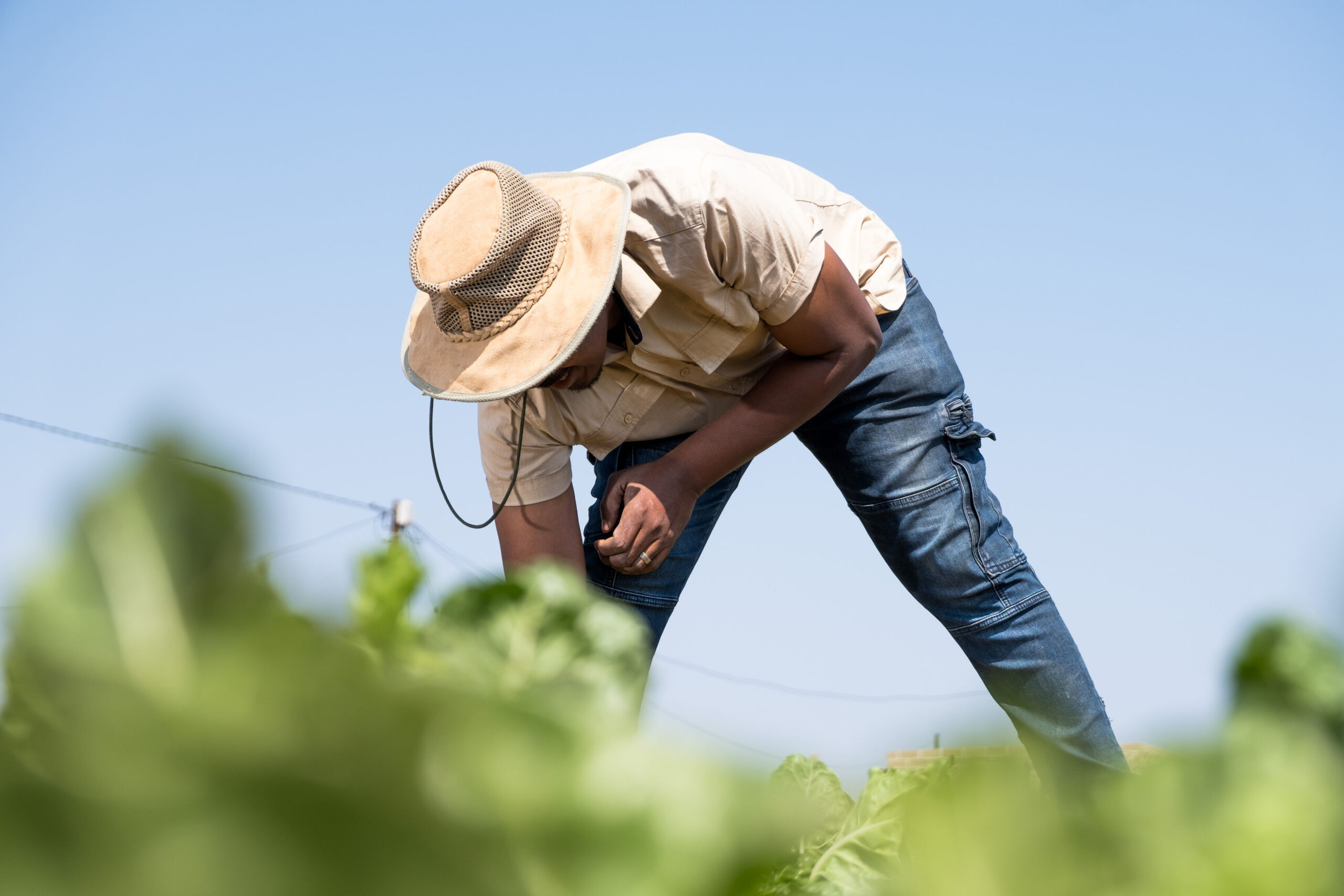
For Makgobe “Phillip” Makoela, the journey began in his childhood years. As a young boy selling vegetables for his grandfather around Mankweng Turfloop, he could never have known that years later, he would graduate from an enterprise development programme that would take his business to a new level.
Phillip Shares His Story
“I attended school at Tzaneen and when I came back home for holidays, that’s when I would sell. Also, my father would teach me how to plant on a backyard garden at home.”
At the time, he was shy. Selling didn’t feel natural. It felt uncomfortable. Yet those early experiences planted a seed that would eventually grow into something much bigger than he could have imagined.
“I realised he was instilling something in me,” Phillip says. “That experience taught me to be a salesperson.”
Today, that early seed has grown into Makgobe and Sons Enterprise, a Sebayeng-based farming business built on a simple promise: quality for all, affordable for you.
Farming as a community solution
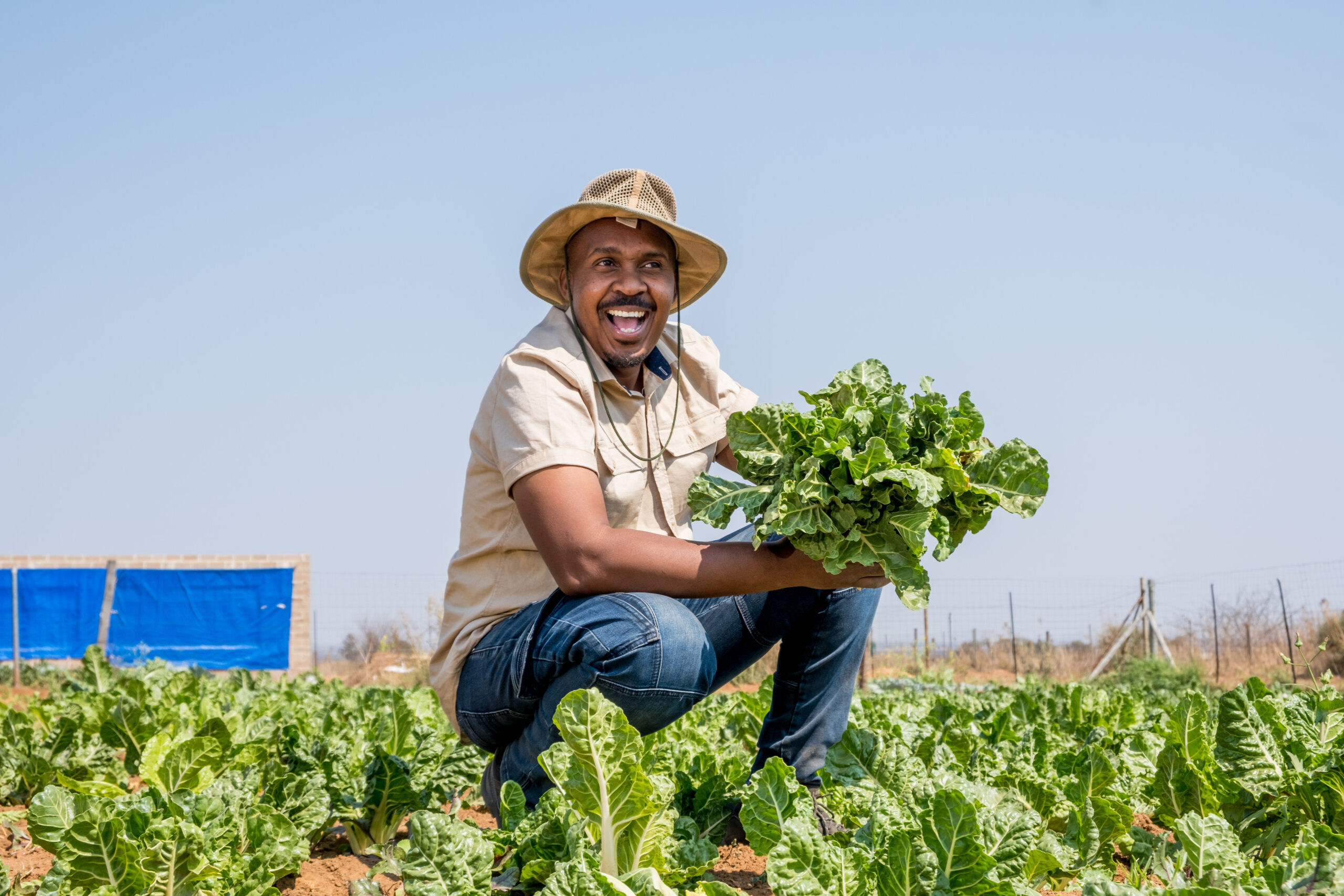
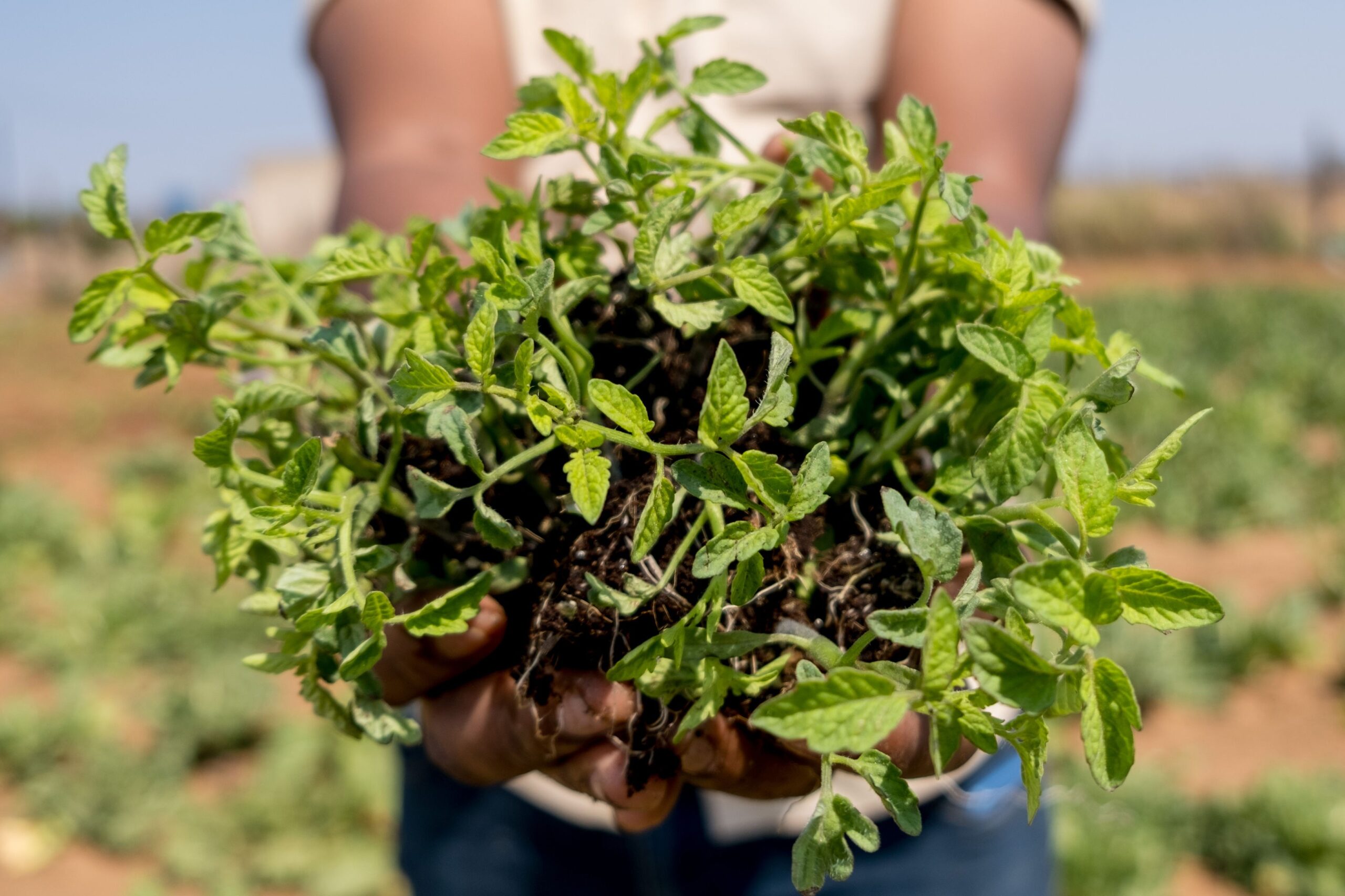
Back in Sebayeng, Phillip began to notice a gap in his community. Affordable, healthy produce was not always easy to access. Instead of waiting for someone else to fix the problem, he decided to become part of the solution. Today, Phillip grows spinach, cabbage, beetroot and other essential vegetables, supplying street vendors, restaurants and individuals in his community.
“What motivates me is knowing that I am creating a solution for food security and providing quality products at a reasonable price,” he explains.
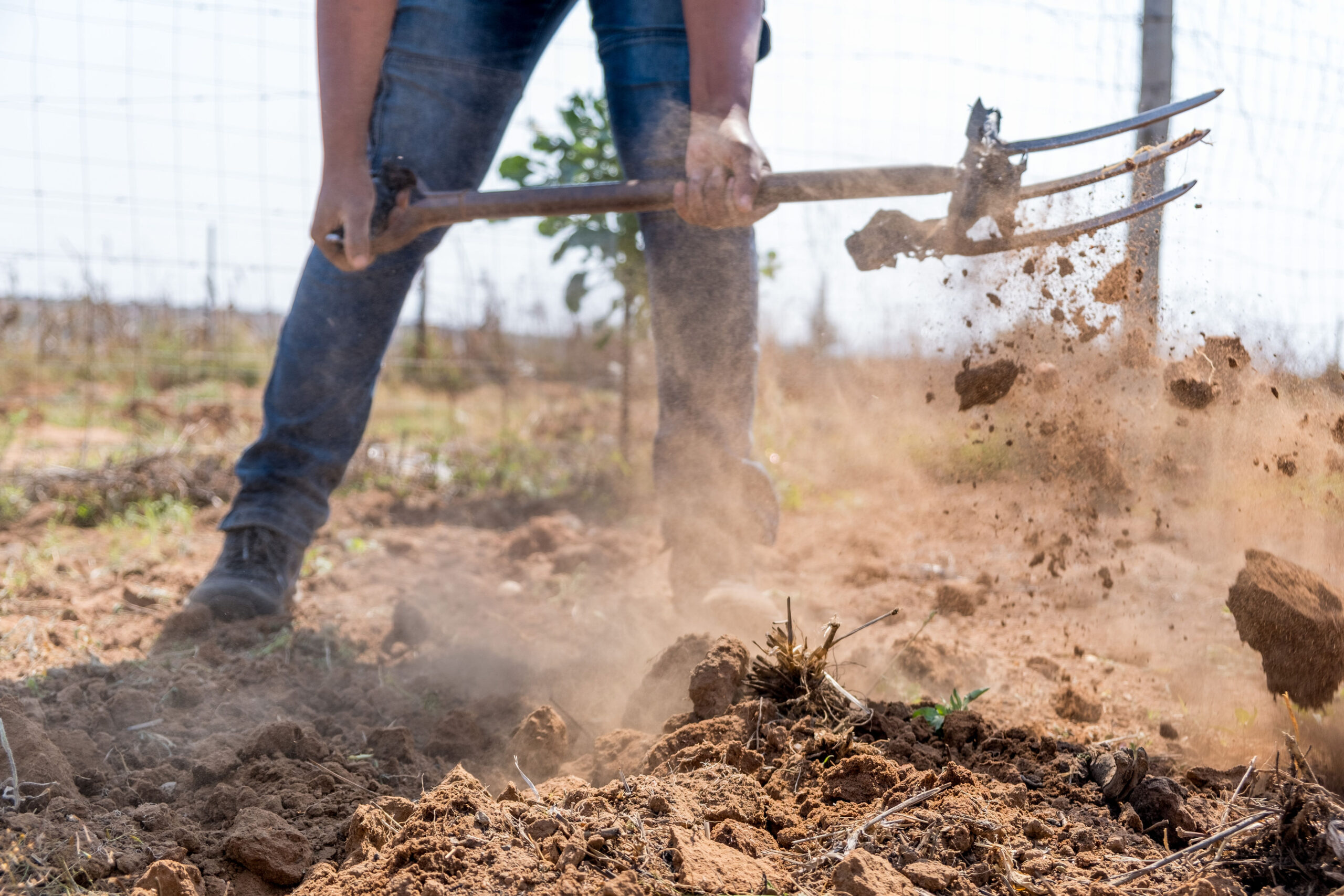
Phillip currently farms on a 30 x 60m² plot, which limits his ability to supply larger retailers. Infrastructure upgrades, irrigation systems and land development all require capital. The COVID-19 pandemic made the journey even more challenging and forced him to start again from scratch. His strategy was to not give up – and to start over.
When Passion Meets Purpose
Phillip didn’t always picture himself as a farmer. Like many young South Africans, he followed the path he believed was expected of him, focusing on education, building a career, and seeking stability. After studying Business Management, he began working as a bank consultant. On paper, he had done everything right. But something was missing.
The desire to build something of his own, something meaningful, never left him. Eventually, he made the leap and resigned to pursue entrepreneurship full-time.
“I never thought I would pursue this business, but the business was always in me,” says Phillip.
Farming as a Community Solution
Back in Sebayeng, Phillip began to notice a gap in his community. Affordable, healthy produce was not always easy to access. Instead of waiting for someone else to fix the problem, he decided to become part of the solution.
Today, Phillip grows spinach, cabbage, beetroot and other essential vegetables, supplying street vendors, restaurants and individuals in his community.
“What motivates me is knowing that I am creating a solution for food security and providing quality products at a reasonable price,” he explains.
Phillip currently farms on a 30 x 60m² plot, which limits his ability to supply larger retailers. Infrastructure upgrades, irrigation systems and land development all require capital. The COVID-19 pandemic made the journey even more challenging and forced him to start again from scratch. His strategy was to not give up – and to start over.

Lessons Along the Way
“You must not start a business just because you want to make money,” he says. “Start by identifying a problem in your community and create a plan to solve it.”
His short-term goals include stabilising crop yield, strengthening infrastructure, growing his customer base and refining his marketing strategy. Long term, he hopes to expand production, diversify his products, increase market share and open additional branches.
Hope Rooted in Entrepreneurship and Thriving Local Economies
Phillip believes South Africa’s future is closely tied to entrepreneurship.
“I have hope for the future of South Africa because young people are realising that starting their own businesses will save the economy and create employment.”
His story reminds us that entrepreneurship is persistence, purpose and the determination to create change, one seed at a time.
His journey also reflects a broader shift in how local economic development is being approached. Ranyaka’s THRIVE framework, implemented through the Nedbank-funded PoMT programme, is working to create environments where entrepreneurs like Phillip are intentionally connected to formal markets, procurement opportunities and structured support systems. Building Business is one of the key programmes within this framework.
The goal is not only to help individual businesses survive, but to build functioning local economies where value circulates, supply connects to real demand, and social and environmental well-being are strengthened alongside economic growth. In this model, small producers are not isolated; they become part of a coordinated local economy designed to reduce leakage, improve food security and build long-term resilience.
Ranyaka is the national implementation agent for the Nedbank Proud of My Town initiative. The Ranyaka Building Business programme focuses on enterprise development and is one of 10 programmes that Ranyaka is implementing in communities across South Africa.
Photographer: Kenanyah Films Photography